

Founded in 2022
Our Story
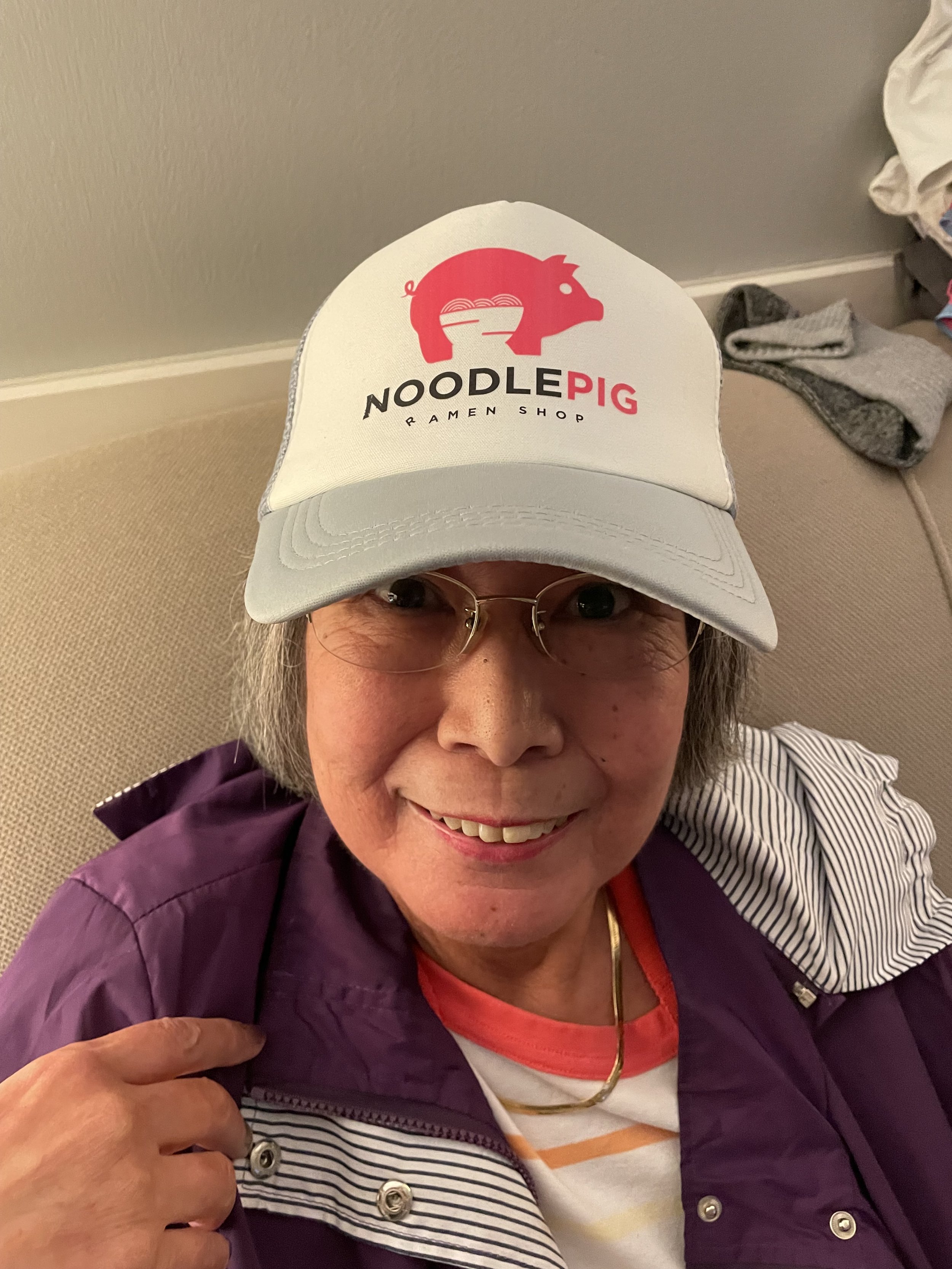
Noodlepig was born while my family and I were hunkered down inside because of the COVID outbreak. My Japanese mother was staying with us and together we decided to bring a little taste of Japan to our hometown of Grand Rapids, MI.
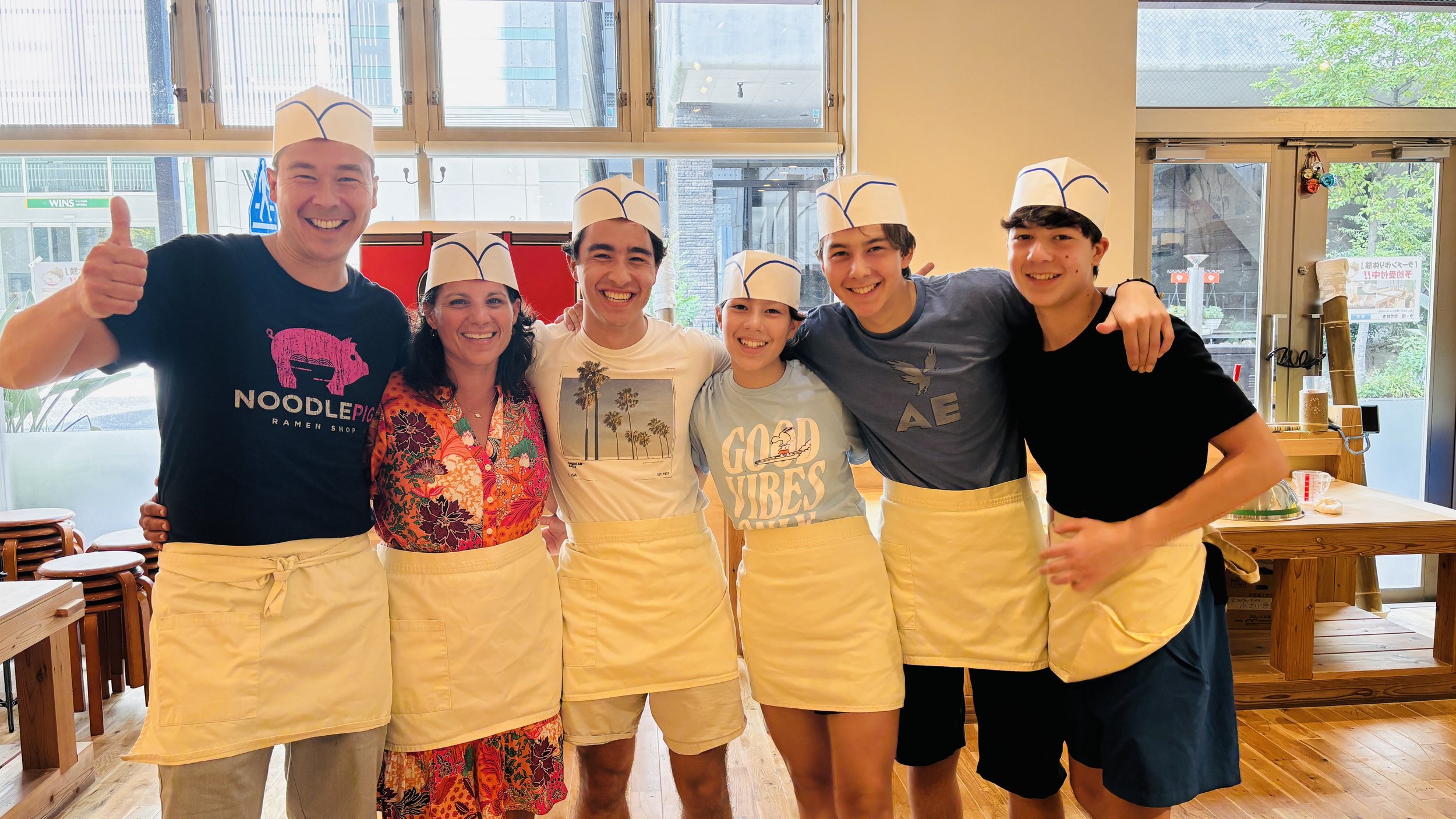
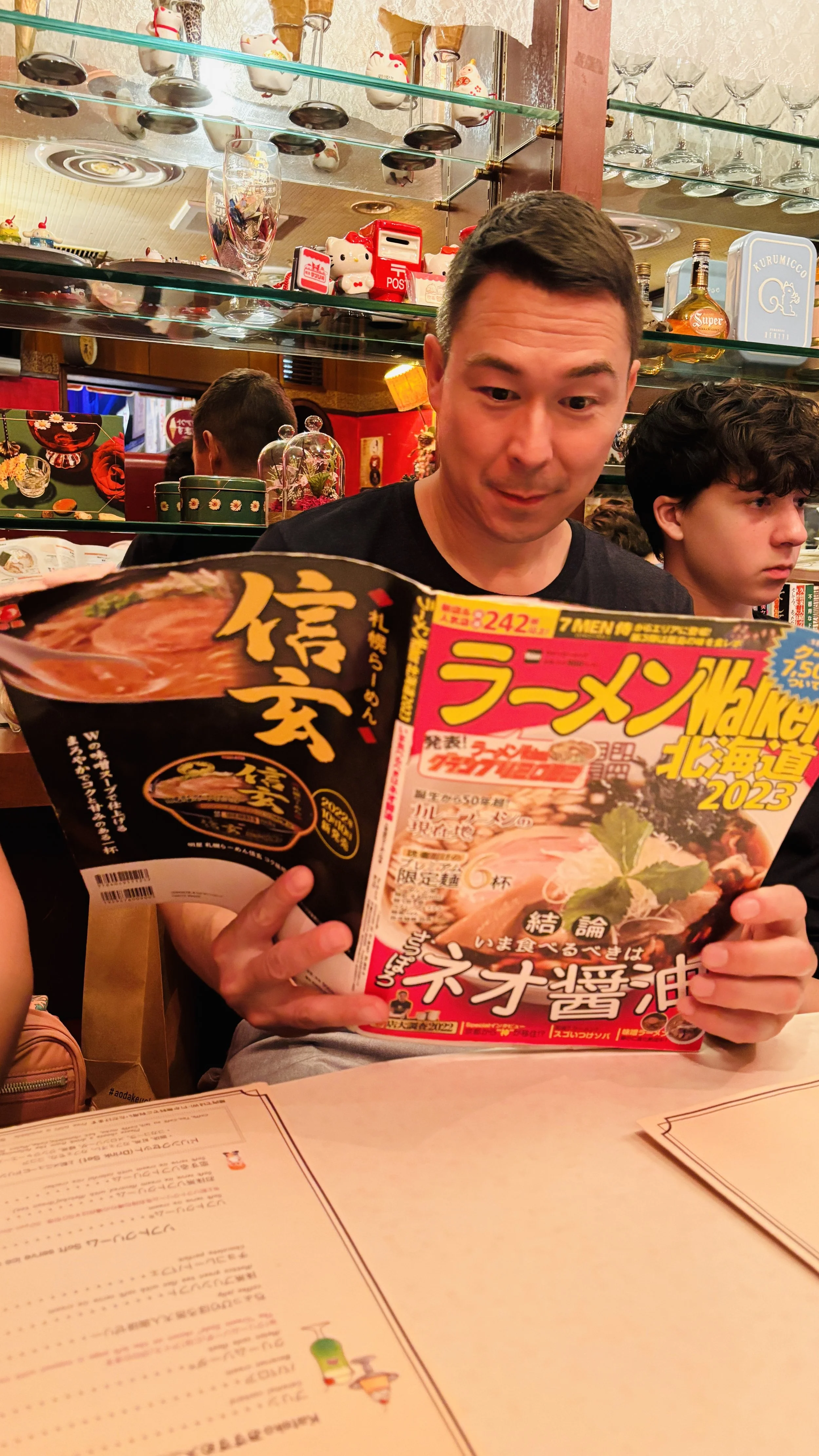
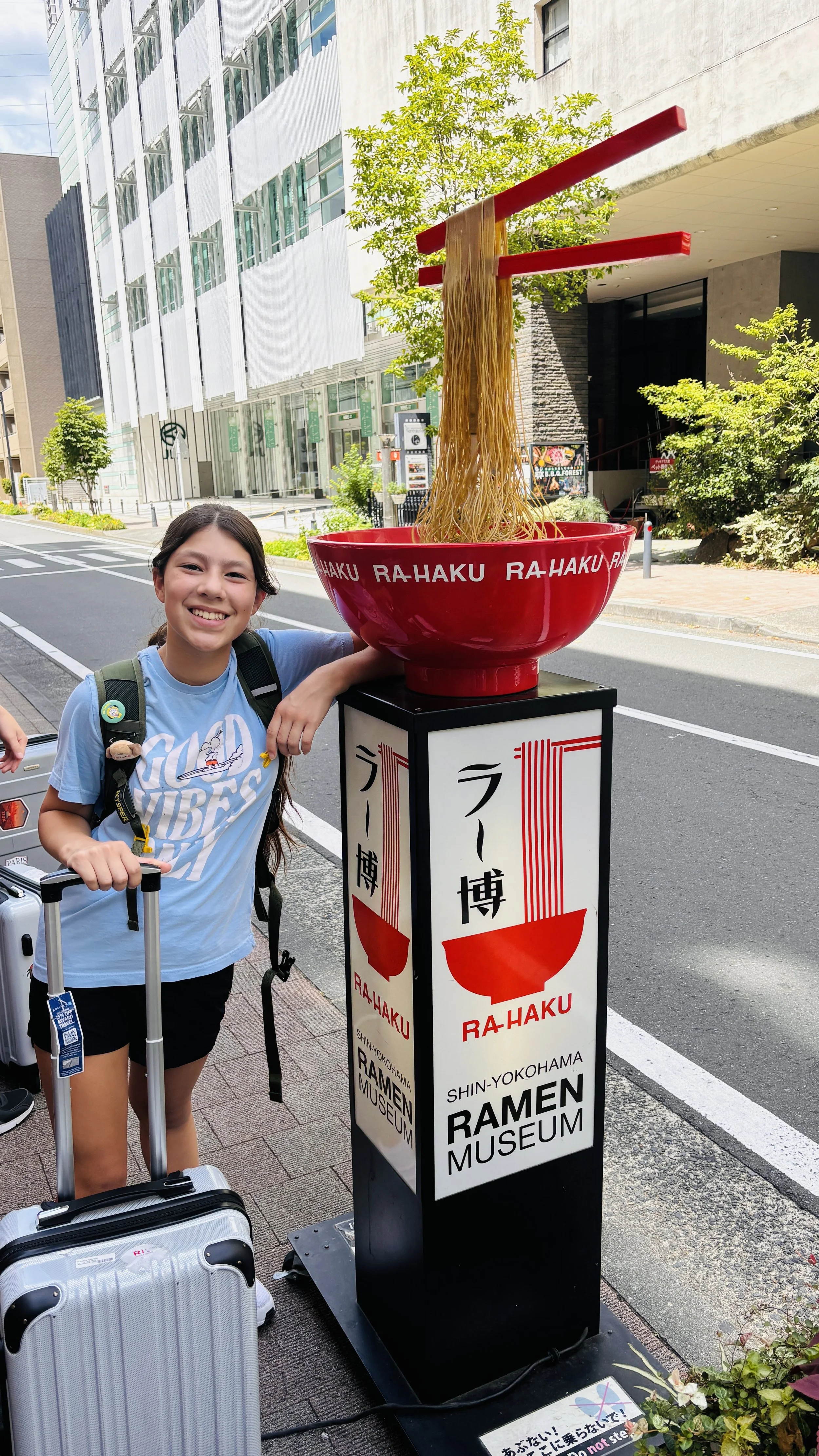
I have family back in Japan, I did 1 year of college there, and since the Noodlepig concept, my wife and I took our kids to Japan for the first time where we all learned the art of making ramen by hand.
Unfortunately, my mom passed away in 2024 and as devastating as it has been to lose a mother, I am so grateful that she was able to see Noodlepig come to fruition and for the fond memories we’ve made in bringing this to life. She, along with my wife and kids have been a huge influence in what Noodlepig is today.
What began as a passion project has evolved into something more. We’re proud of where we’ve been and even more excited for what’s ahead.
Thank you Grand rapids for all of your love and support!
-Chris Wessely

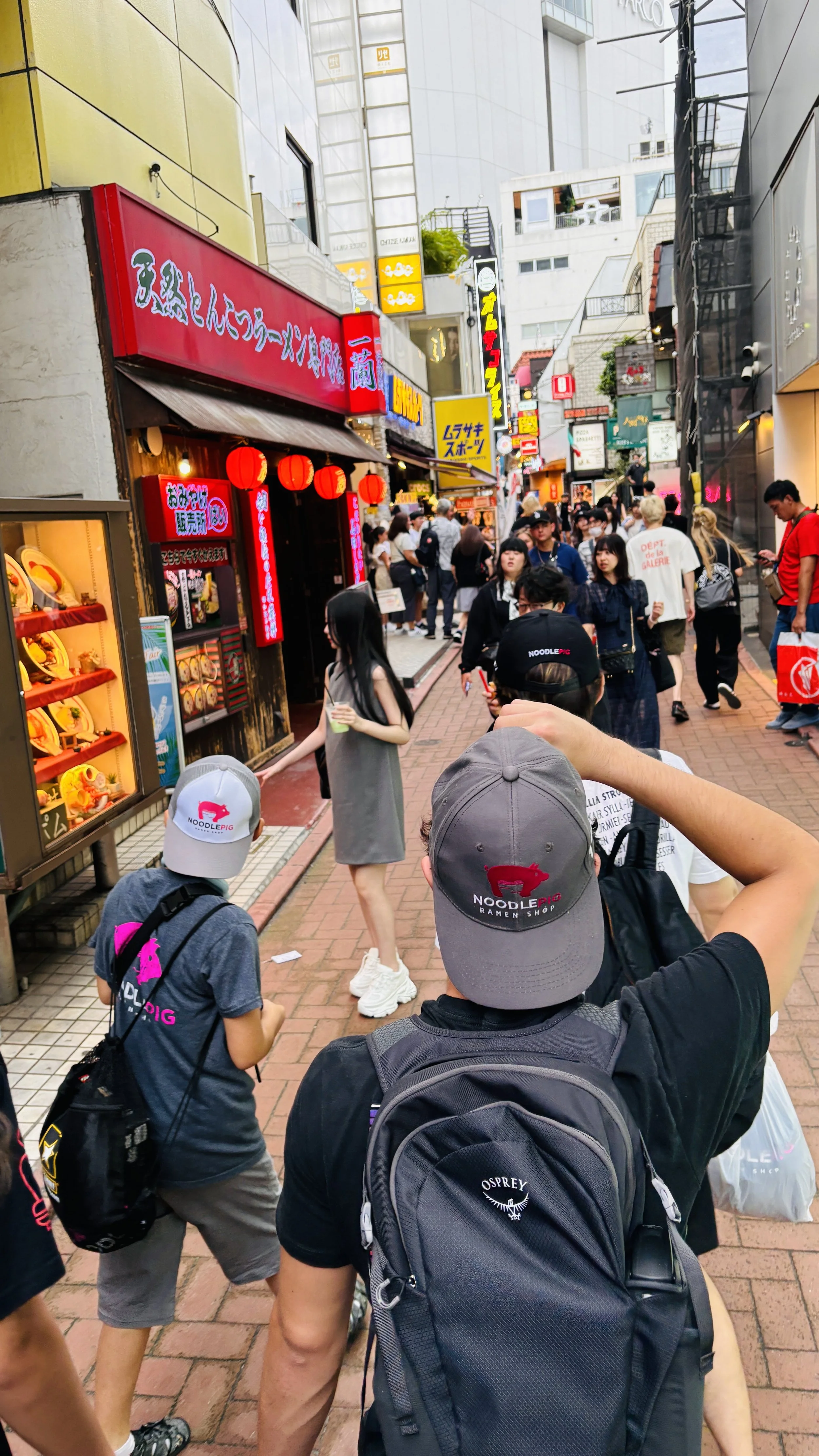
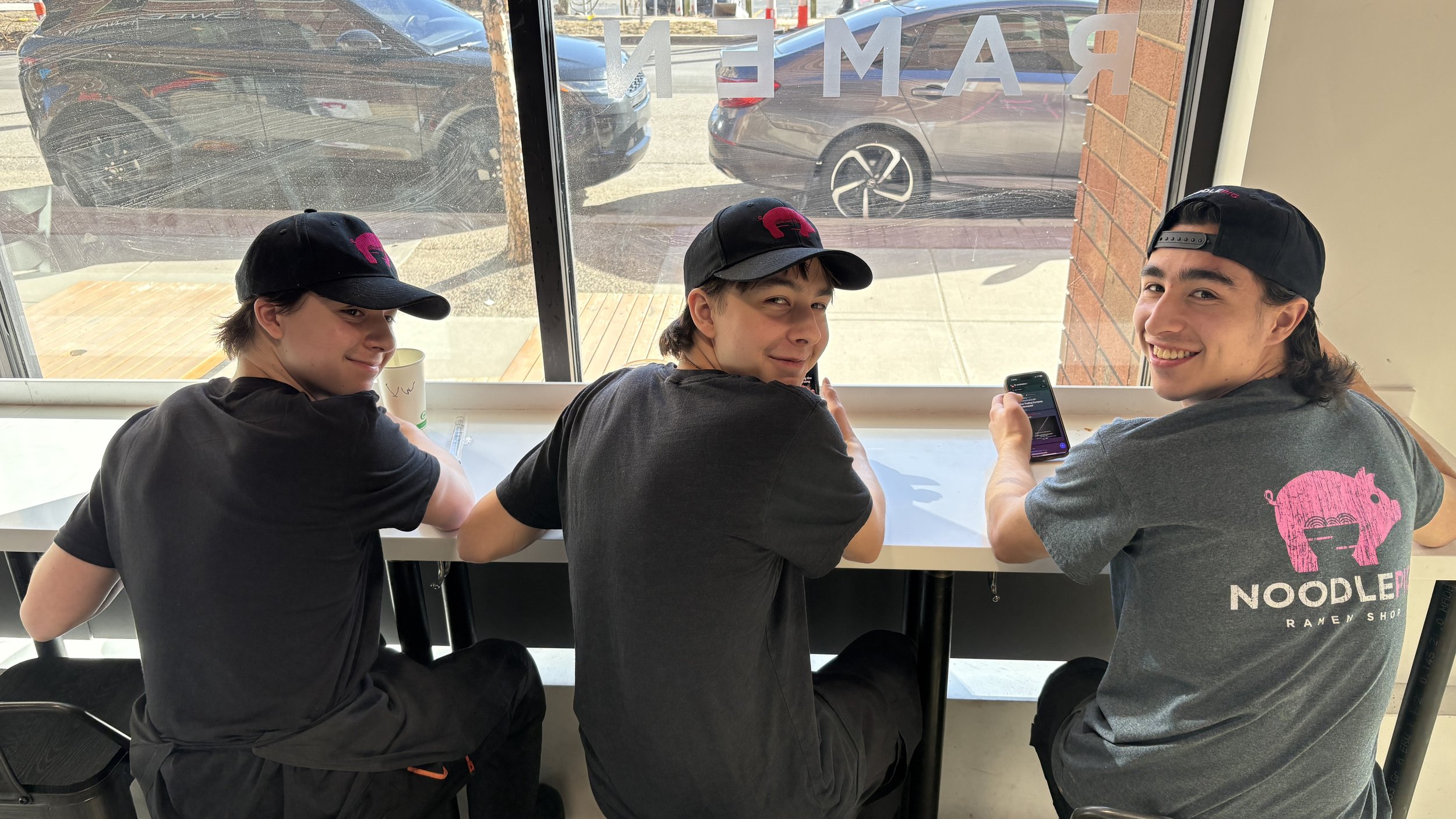
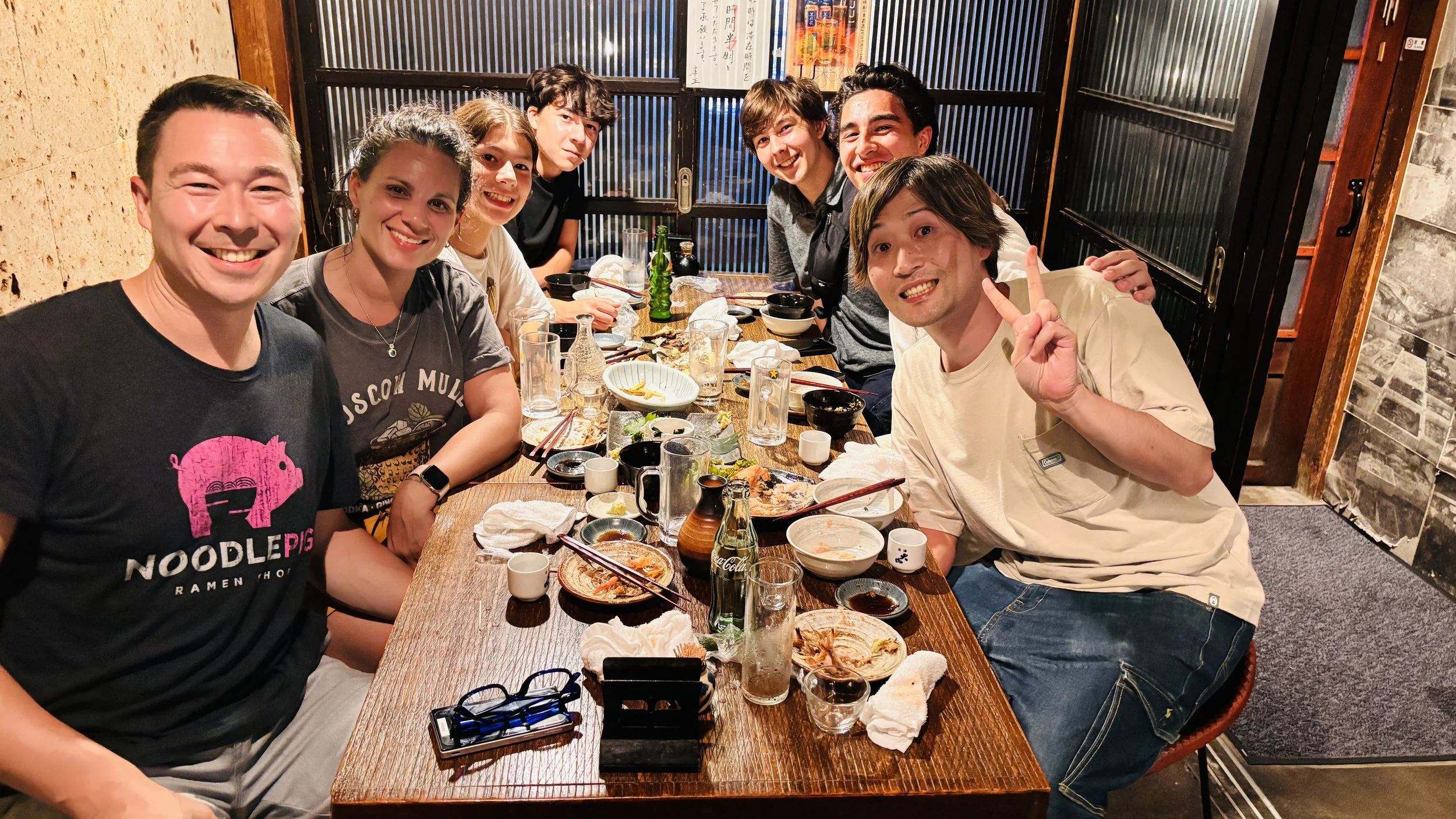


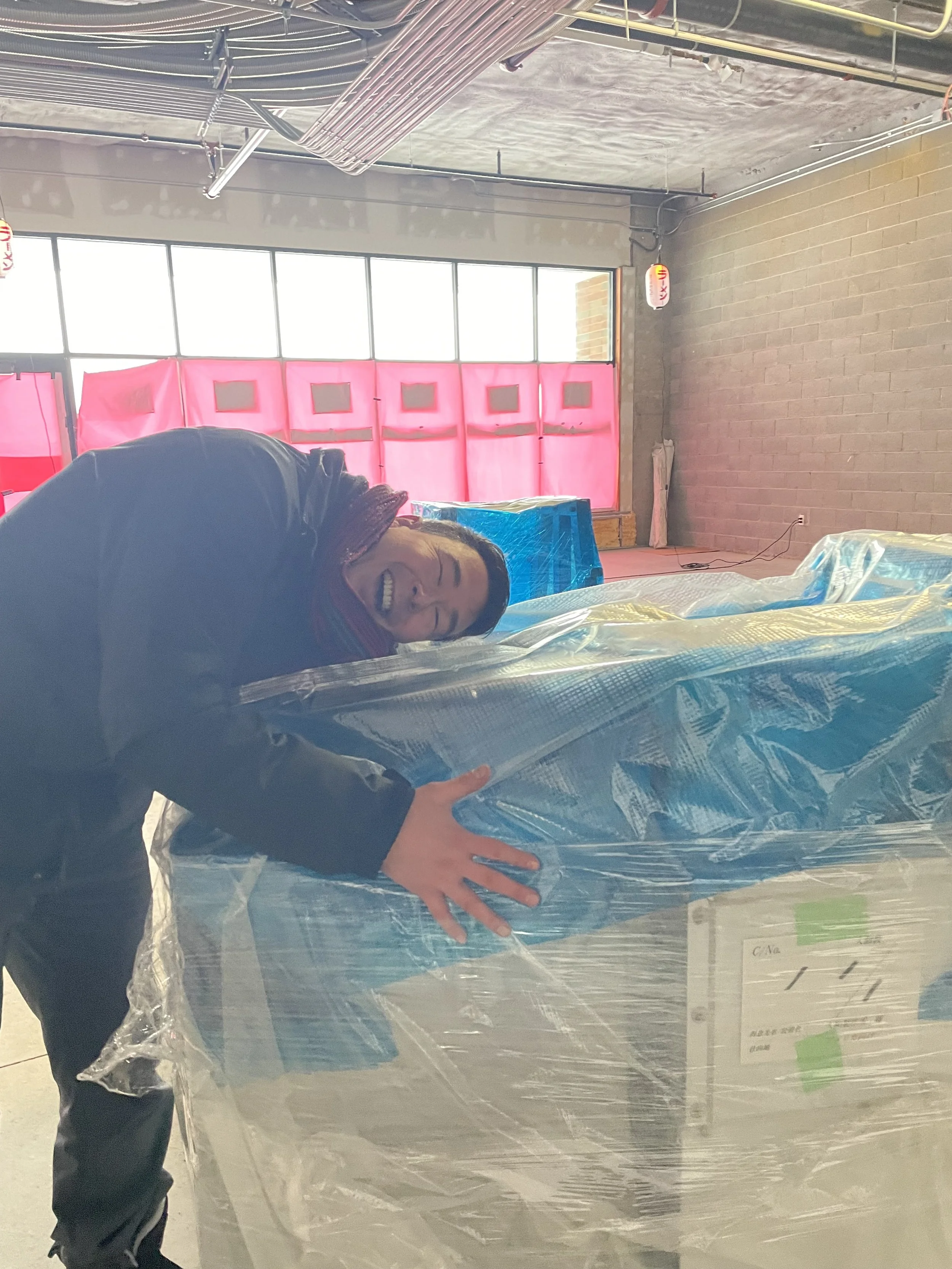
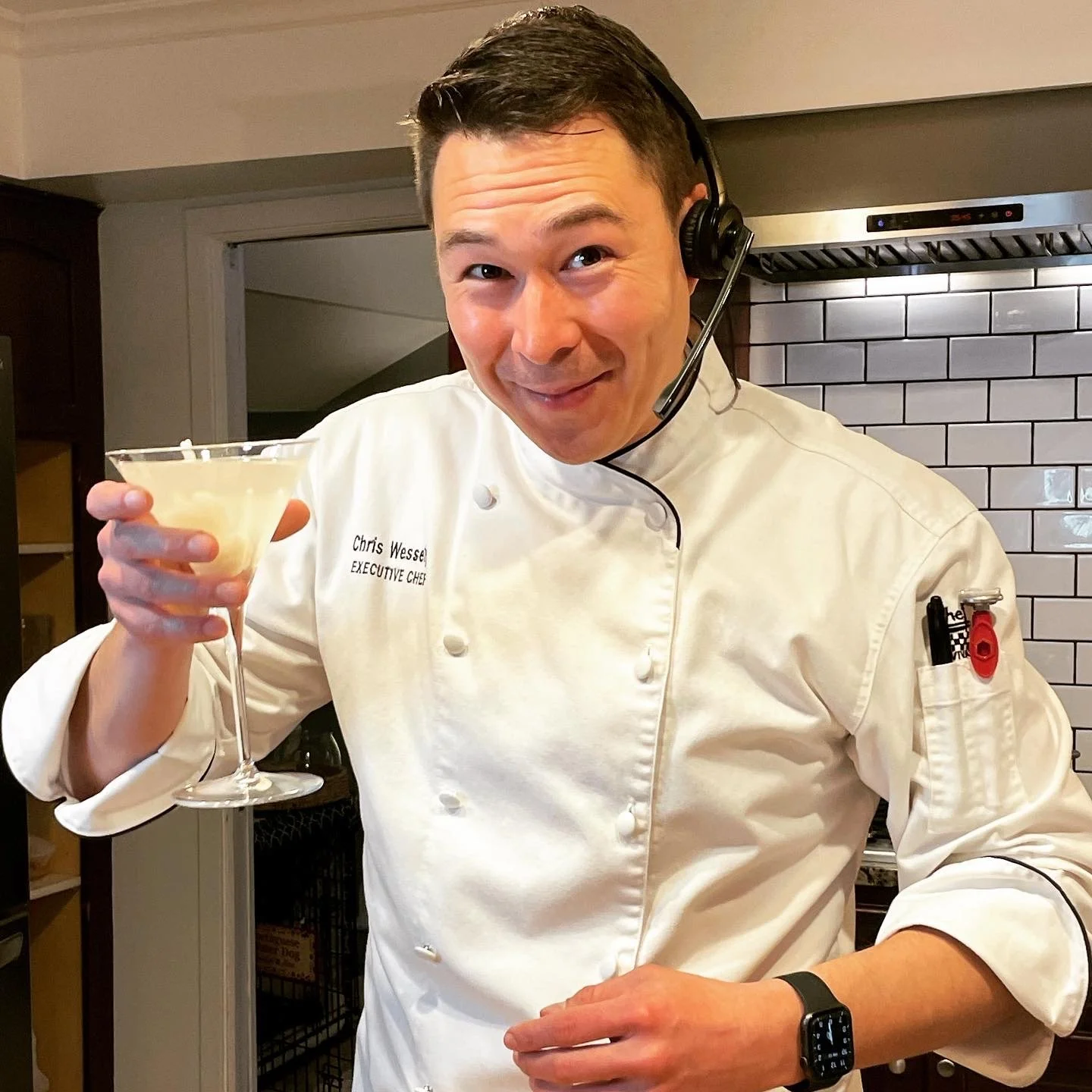
Meet The Founder

OUR CORE VALUES
Be the best part of their day
Find a better way
Take pride in what you do
Stay in character
History of Ramen
So technically, ramen originated from China. In fact, it is suggested that all noodles originated from China (not Italy) when scientists uncovered a 4,000-year-old fully preserved bowl of noodles in northwestern China in 2005. You can read more about this amazing discovery here. So ramen is the Japanese adaption of Chinese wheat noodles. Furthermore, the name ‘ramen’ is a Japanese interpretation of the word, ‘lāmiàn’, which means pulled noodles in Mandarin. So when the Japanese heard lāmiàn spoken, they heard and wrote down, “Ra-Men” in katakana (ラーメン), which is one of the Japanese alphabets that is used specifically for foreign words, giving credit to it’s origin.
Ramen is special because of it’s alkaline properties. The alkaline is what gives the noodle it’s wonderful springy, slippery, chewy texture. It’s also responsible for it’s distinct flavor and yellowish color. So the story goes that back in the day (before cars and refrigeration), there was this small village in China that was famous for their noodles because they were so different from anything else. People would travel from far distances just to experience them. When asked what made these noodles so different and delicious, the chef said it was all because of their magical well. Well, speed up a few years later and it was found that this ‘magical well water’ was naturally alkaline! In Japan, this alkaline water is called, ‘kansui’ (or lye water) and is generally made up of a ratio of sodium bicarbonate and potassium carbonate.
So fast forward to today, Japan has really taken ramen and made it their own, yet the Japanese understand that ramen isn’t originally ‘theirs’ so they are very open to interpretations of the dish. This is similar to how the US has taken Italian pizza and made their own, crafting different styles, flavors, and toppings driven by region. For example: Chicago’s deep-dish and New York’s larger-cut thin crust.
Building a Ramen Bowl
Ramen may appear to be simply a bowl of noodles in broth, but the process and execution of composing a ramen bowl is a bit more involved. Ramen is really a marriage of different components, separately made, brought together at the very last moment for consumption. Each component plays a different, very specific role, similar to how instruments are played in a symphony orchestra. In ramen, these ‘instruments’ are as follows: Stock/broth, tare (base), noodles, oils/fats, and toppings.
The stock is the foundation for a great bowl of ramen. It could be a vegetable broth or bone broth, traditionally with either pork and/or chicken bones. Like any great stock, it doesn’t come in a powder packet and the process takes hours, not minutes to create. But patience and love yields the gift of a nutrient-dense, flavorful soup.
The ‘tare’, short for motodare, is the concentrated base which sends the soup to its final destination. So like a city is to a State, the tare is to its broth.
The noodle is clearly the headlining star of the show. There are many unique styles of ramen noodles based on region and noodle shop. They all vary based on thickness of cut, types of ingredients, moisture content, straight or wavy, and cooking times.
Oils and/or fats are used to add and carry flavor to the soup and to your mouth. Fat is what carries flavor to your mouth and allows it to linger there, responsible for that velvety mouthfeel. In ramen, because the fat is typically removed from the stock during the cooking process, it is added back in at the end, providing the chef with more control and precision.
Toppings for ramen dishes also have a wide range of options from traditional chashu pork to Noodlepig’s baby-back ribs, toppings allows regions and chefs truly get creative.